
GREENTREE SYNERGY
Critical Minerals from Industrial Waste Streams
Greentree Synergy evaluates hard-to-use industrial waste streams to recover useful minerals first, then test the remaining material for safe and useful products.
Our platform is designed for materials such as fly ash and bottom ash, red mud / bauxite residue, Bayer liquor, produced water, brines, mine tailings, industrial sludge, and other mineral rich industrial residues.
Minerals first. Residual products next. Scale only when the data supports it.
OUR PLATFORM
Industrial Waste-to-Value
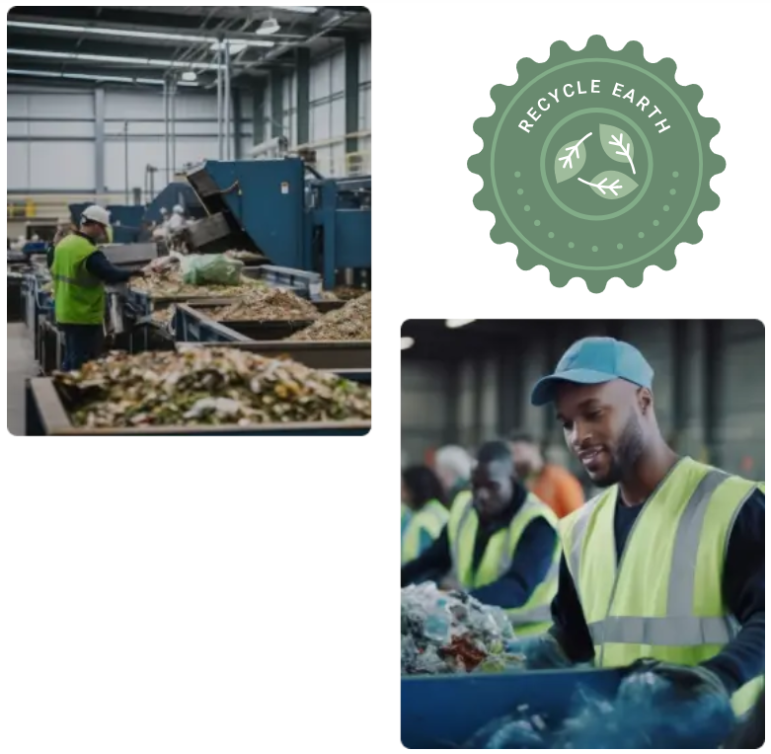
Greentree treats industrial residues as secondary resource platforms. Each waste stream is tested first to determine what minerals may be present, how those minerals are locked in the material, and whether the remaining material can become a useful product instead of a disposal problem.

The platform is feedstock-specific. Fly ash is different from red mud. Brine is different from tailings. Greentree does not assume one process works for every material.

The objective is practical: identify the best waste streams, recover the highest-value minerals where testing supports it, and productize the remaining material where performance, safety, and economics support use.
HOW GREENTREE WORKS
From Sample to Value
SUSTAINABILITY IN ACTION
Greentree begins with representative samples and data. The company evaluates what is inside the material, how difficult it may be to recover, which process route is most appropriate, and whether the leftover material can be used in a safe and valuable way.
A Greentree project advances only when the data supports the next step.
Test the Material
Greentree starts with samples, assays, mineralogy, impurities, and variability before making recovery claims.
Recover Minerals First
Potential targets may include rare earth elements, scandium, gallium, alumina related value, lithium, magnesium, copper, nickel, cobalt, manganese, iron, titanium, and other materials identified through testing.
Unlock the Value
Useful minerals can be trapped inside glassy phases, rocky particles, process liquors, brines, or impurity-rich residues. Greentree selects the right chemistry, physical step or combination of steps for each source.
Productize the Residue
After mineral recovery, Greentree tests the remaining material for cement, concrete, geopolymers, aggregates, fillers, pigments, stabilized materials, and other useful product pathways.
THE PROBLEM GREENTREE SOLVES
Critical Minerals and Industrial Waste Are Connected Problems
Conservation
Critical minerals are essential for defense systems, electronics, energy, transportation, construction, and advanced manufacturing. Many of these materials can be difficult to secure.
At the same time, industrial operations generate large waste streams that are often treated as liabilities. In many cases, those streams may contain useful minerals and useful residual materials.
Greentree helps turn hard-to-use industrial waste streams into useful minerals and building materials.
Sustainability
Conservation
Recycling
Efficiency
Stewardship
Sustainability
Have a Waste Stream That May Contain Value?
Greentree works with industrial partners, government agencies, generators, and project sponsors to evaluate difficult waste streams through a staged, data driven process.
The first step is simple: identify the material, review available data, collect representative samples, and determine whether the waste stream deserves deeper testing.
WHAT WE OFFER
Waste-to-Value Services

Feedstock Screening
Greentree evaluates industrial waste streams to identify mineral content, variability, impurities, recovery potential, and residual product pathways.
Critical Mineral Recovery Assessment
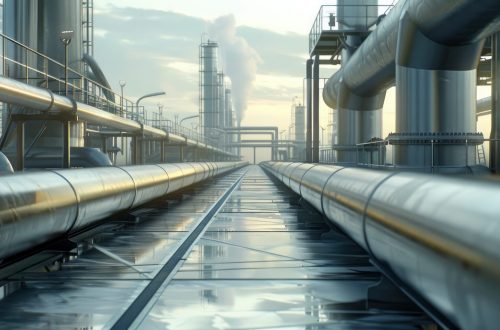
Greentree screens recovery pathways for rare earth elements, scandium, gallium, alumina related value, lithium, magnesium, copper, nickel, cobalt, manganese, iron, titanium, and other targets supported by testing.
Electrochemical Refining and Reagent Recovery
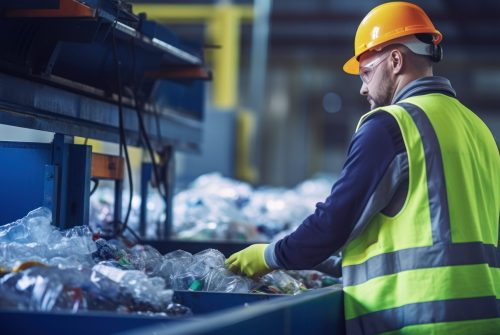
Greentree evaluates where electrochemistry can help separate, clean, refine, recover reagents, electrowin, or finish products after target materials have been concentrated.
Residual Material Productization
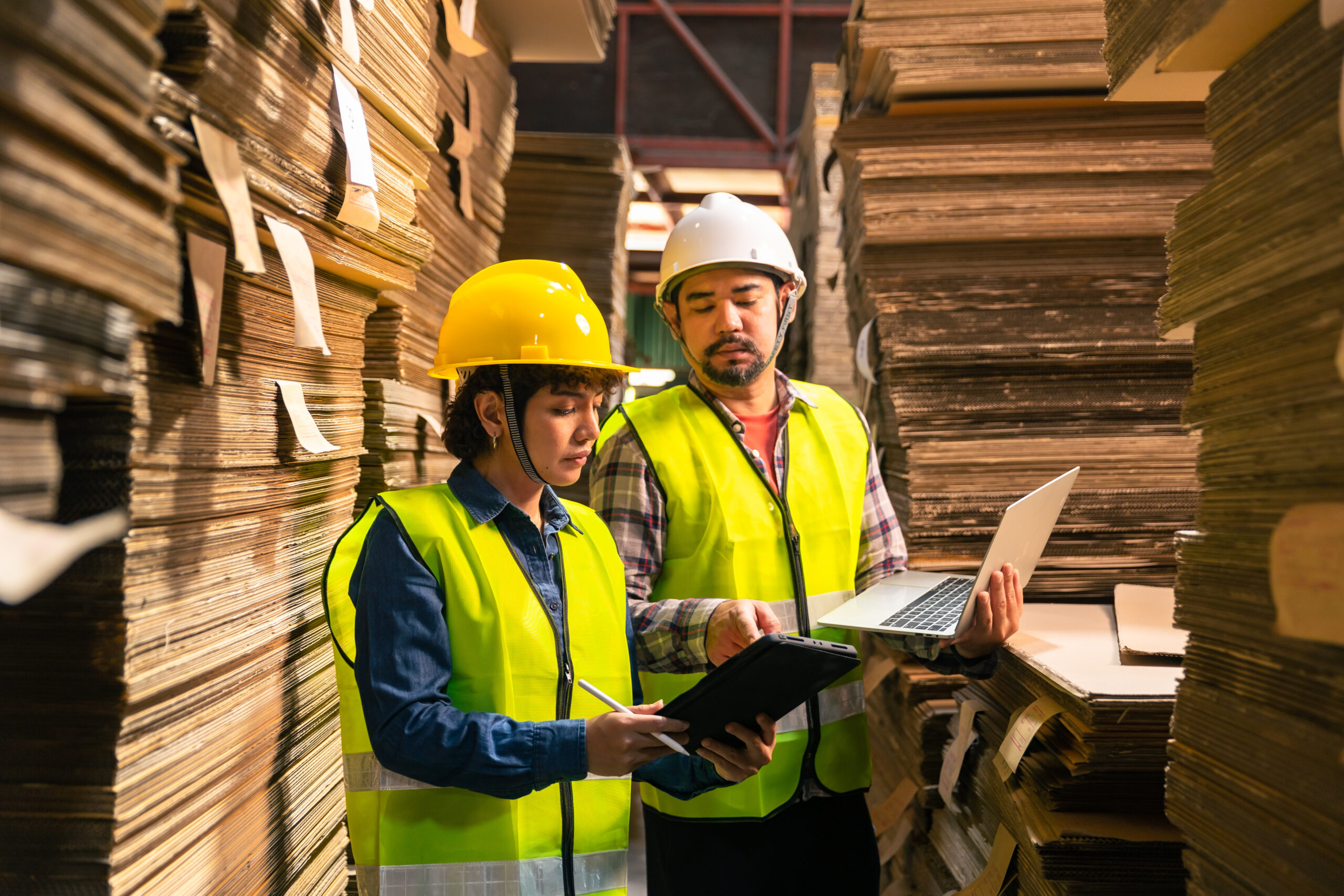
Greentree tests the remaining solids for potential use in cement, concrete, supplementary cementitious materials, geopolymers, aggregates, fillers, pigments, stabilized materials, and related products.
RESPONSIBLE CLAIMS. STAGED DEVELOPMENT.
Testing Before Scaling
Greentree uses careful language because each waste stream is different. The company does not need to claim that every mineral can be recovered from every source.
The right claim is more practical: Greentree evaluates each source and advances the strongest opportunities based on data.
Recovery depends on chemistry and mineral form. Product quality depends on purity and customer requirements. Residue reuse depends on safety, strength, durability, and leachability testing. Commercial scale-up depends on feedstock supply, economics, permits, and partners.